Caregiving can fill the day with small tasks and long stretches of responsibility. A useful gift can make a moment of rest, a routine, or a shared space feel a little more comfortable.
These 12 gift ideas for caregivers under 50 include practical comforts for home, work, and everyday planning, with options for different routines and interests.
12 Thoughtful Gift Ideas for Caregivers
RENPHO Heated Foot Massager
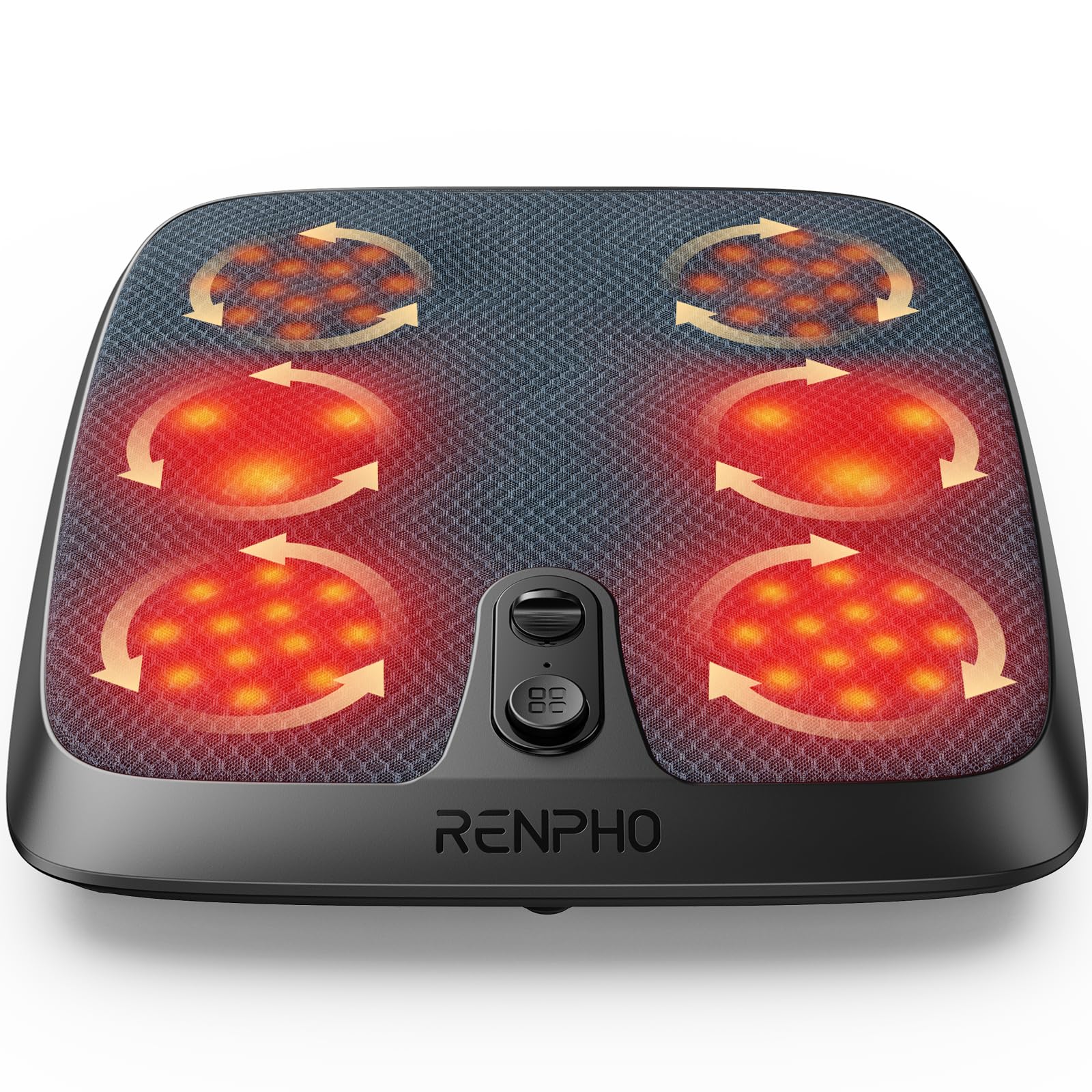
- Pressure activation starts a massage when feet rest on the mat.
- Choose between high and low speed modes with soothing heat.
- The flat-plate design can tuck under a desk or sofa.
Best Gift For: A caregiver who would appreciate an easy-to-start foot massage while sitting at home or at a desk.

Snailax Cordless Handheld Massager with Heat
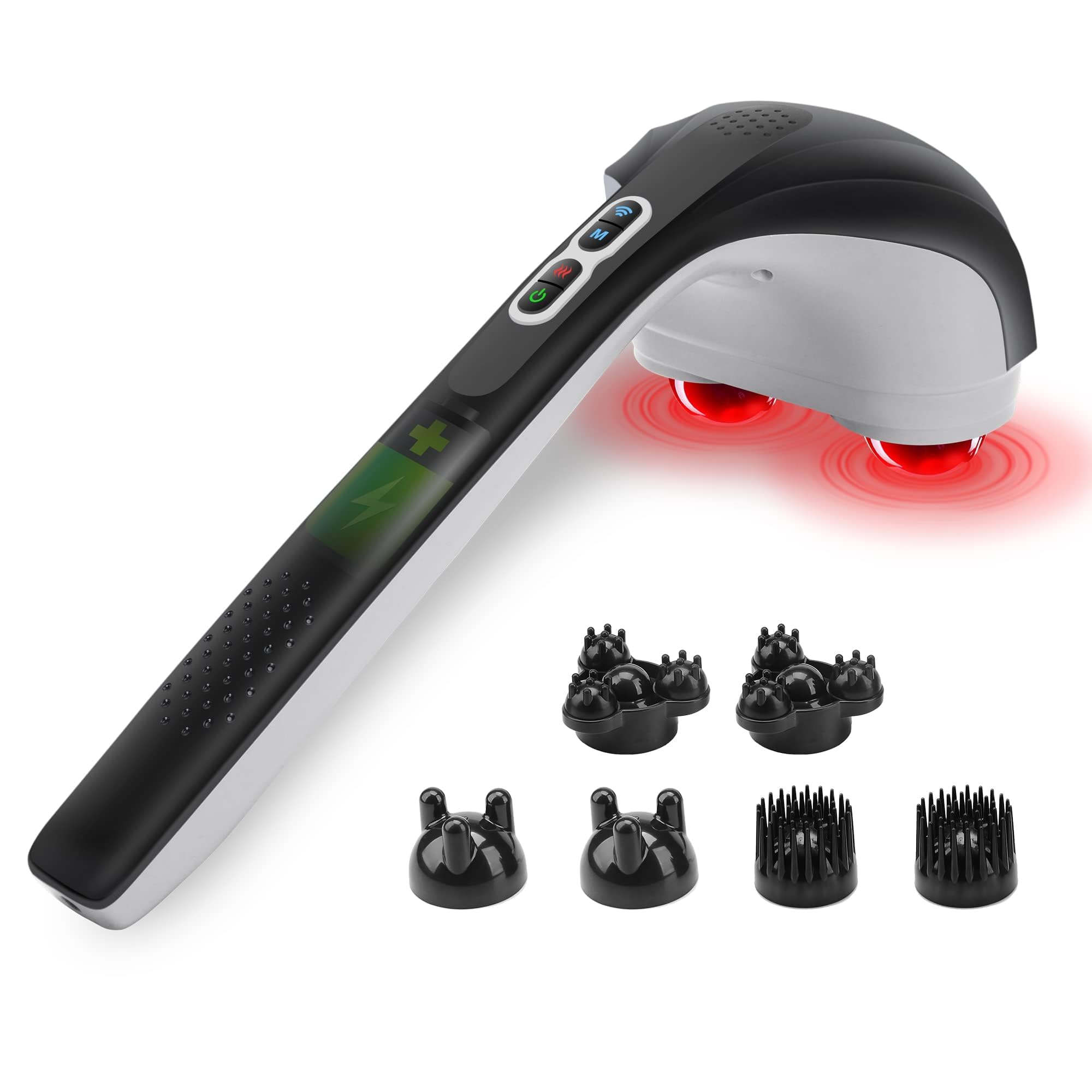
- Cordless design includes a rechargeable battery.
- Three interchangeable head sets suit different muscle groups.
- Optional heat and three percussion speeds offer adjustable sessions.
Best Gift For: A caregiver who wants a handheld massage option for relaxing on the sofa or bed.
MyHalos 3D Sleep Mask, Black, 2-Pack
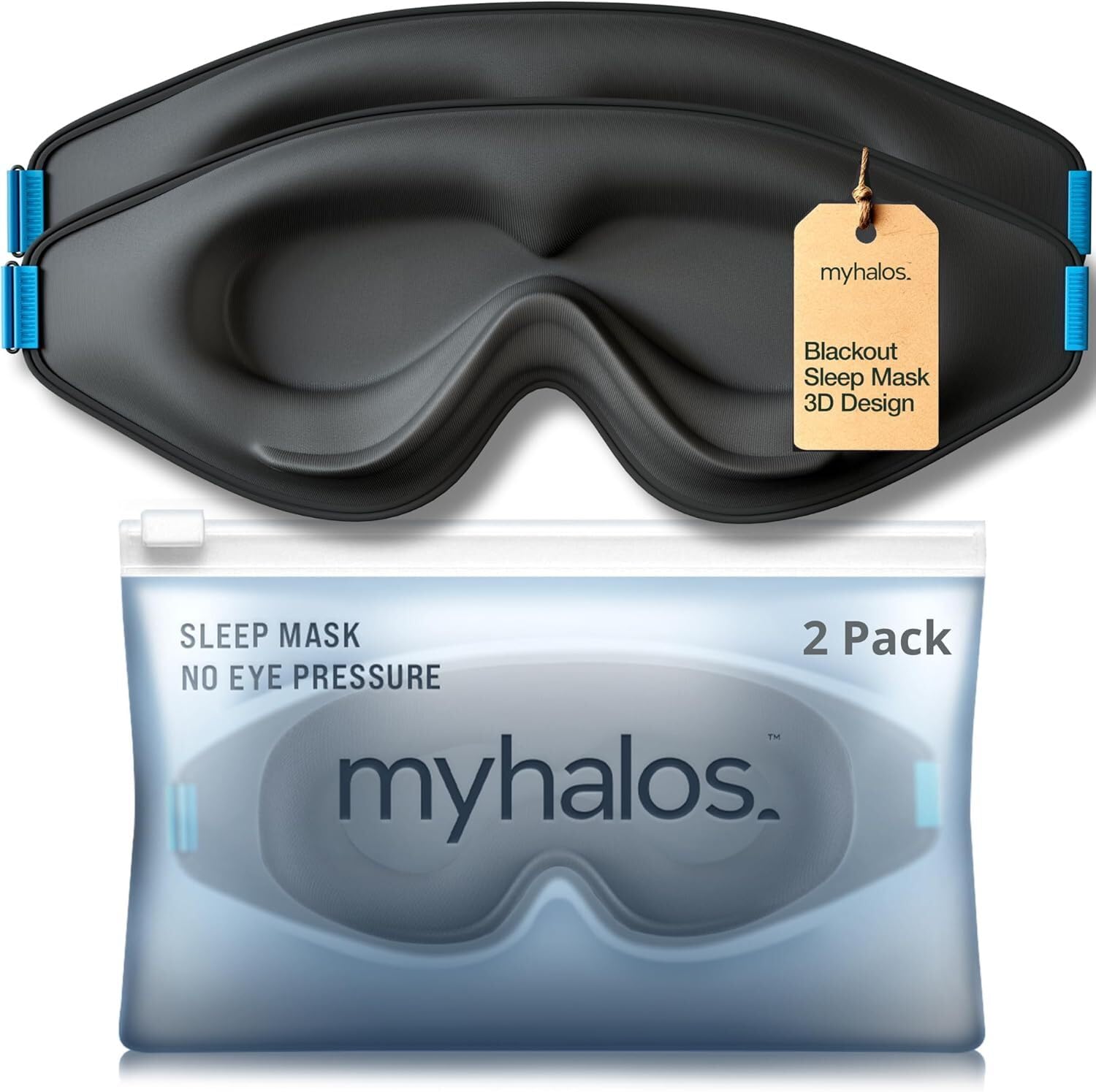
- The contoured design is made to block light.
- Deep eye cups are designed to avoid contact with eyelids or lashes.
- It is washable and comes with a protective travel pouch.
Best Gift For: A caregiver who travels, works night shifts, or appreciates a sleep mask for naps.
Everlasting Comfort Memory Foam Foot Rest
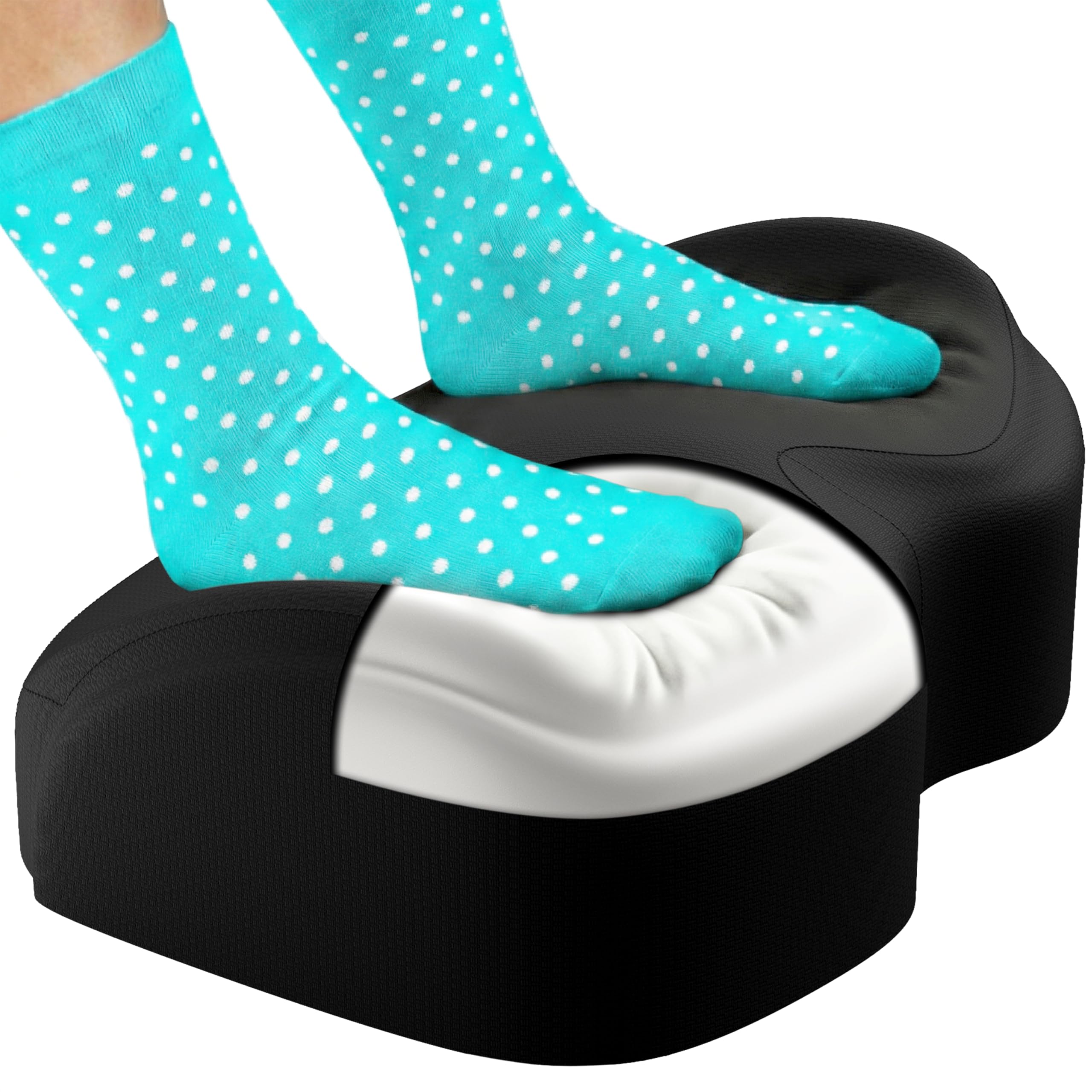
- Memory foam footrest is designed for desk and gaming setups.
- The breathable cover is machine washable.
- A non-slip bottom helps it stay secure on different floor types.
Best Gift For: A caregiver who spends time working or managing household tasks at a desk.
PILOT G2 Fine Point Green Pens, 12-Pack
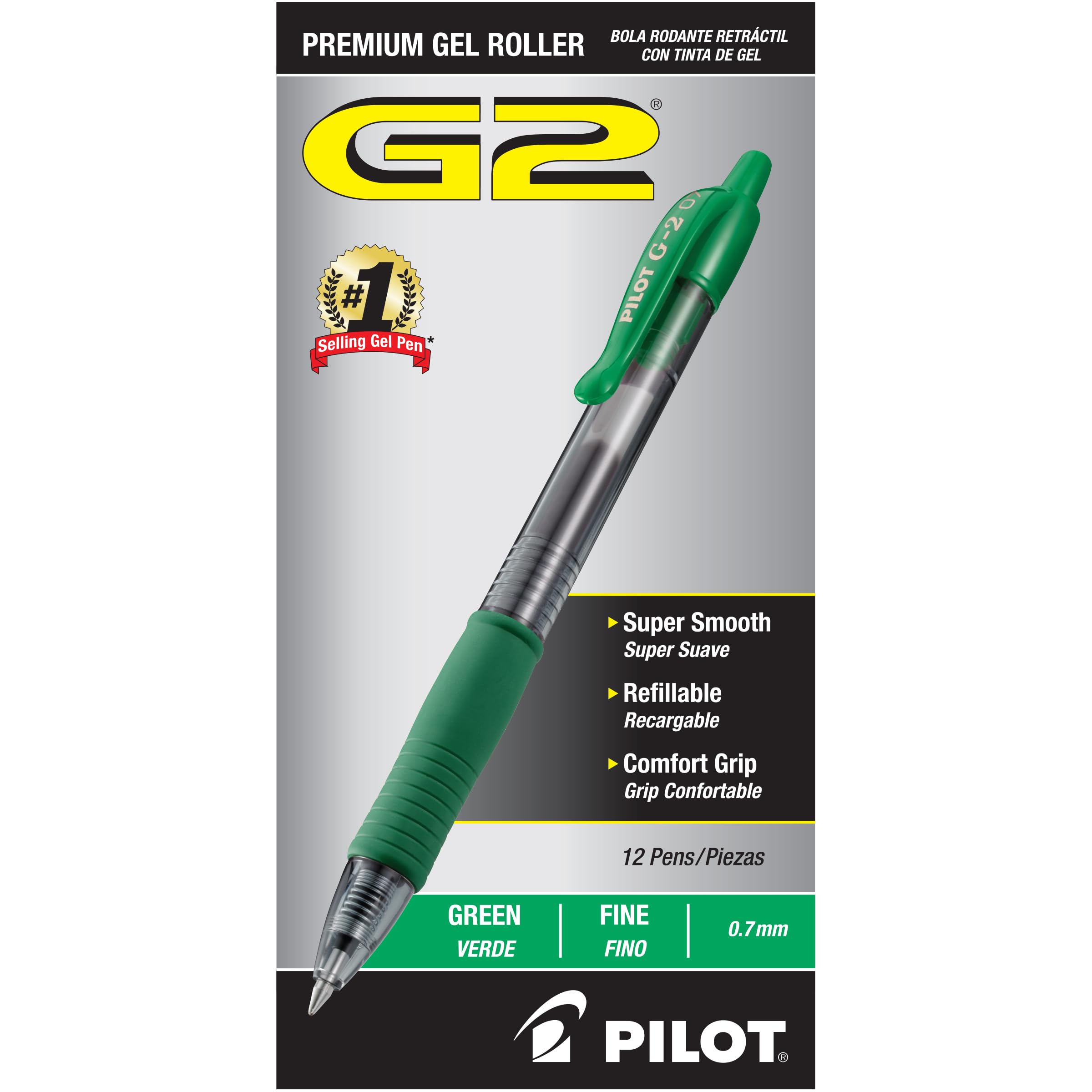
- The pack contains green ink pens with fine points.
- The contoured rubber grip is designed to support long writing sessions.
- The quick-drying ink helps prevent smudges and smears.
Best Gift For: A caregiver who writes notes, lists, or plans by hand and likes green ink.
Clever Fox PRO Light Weekly Planner, Black
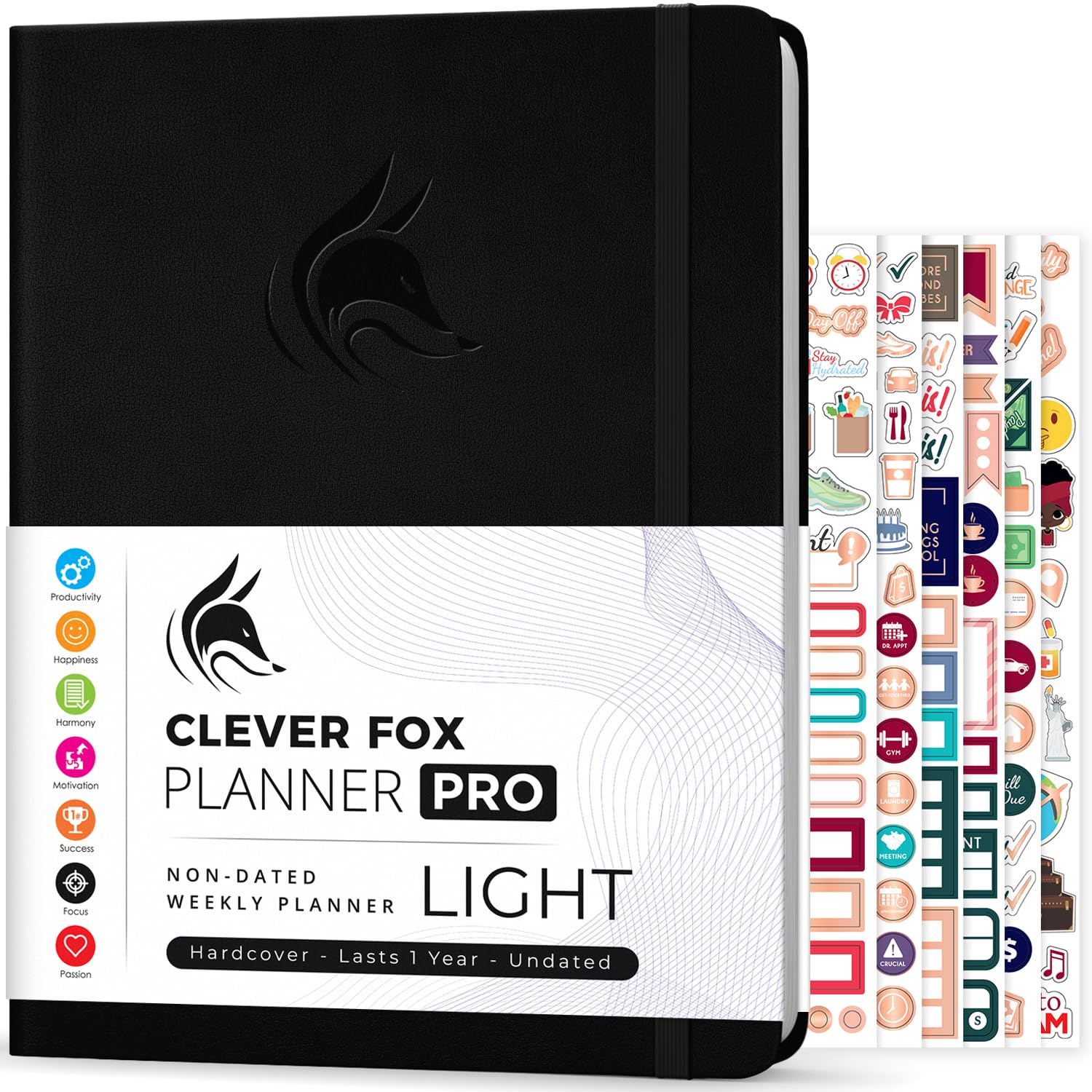
- The planner combines monthly, weekly, and daily planning.
- Its undated format can be started at any time of year.
- It comes with a quick-start guide and planning stickers.
Best Gift For: A caregiver who enjoys organizing goals and appointments in a paper planner.
Hydracy 2L Motivational Water Bottle
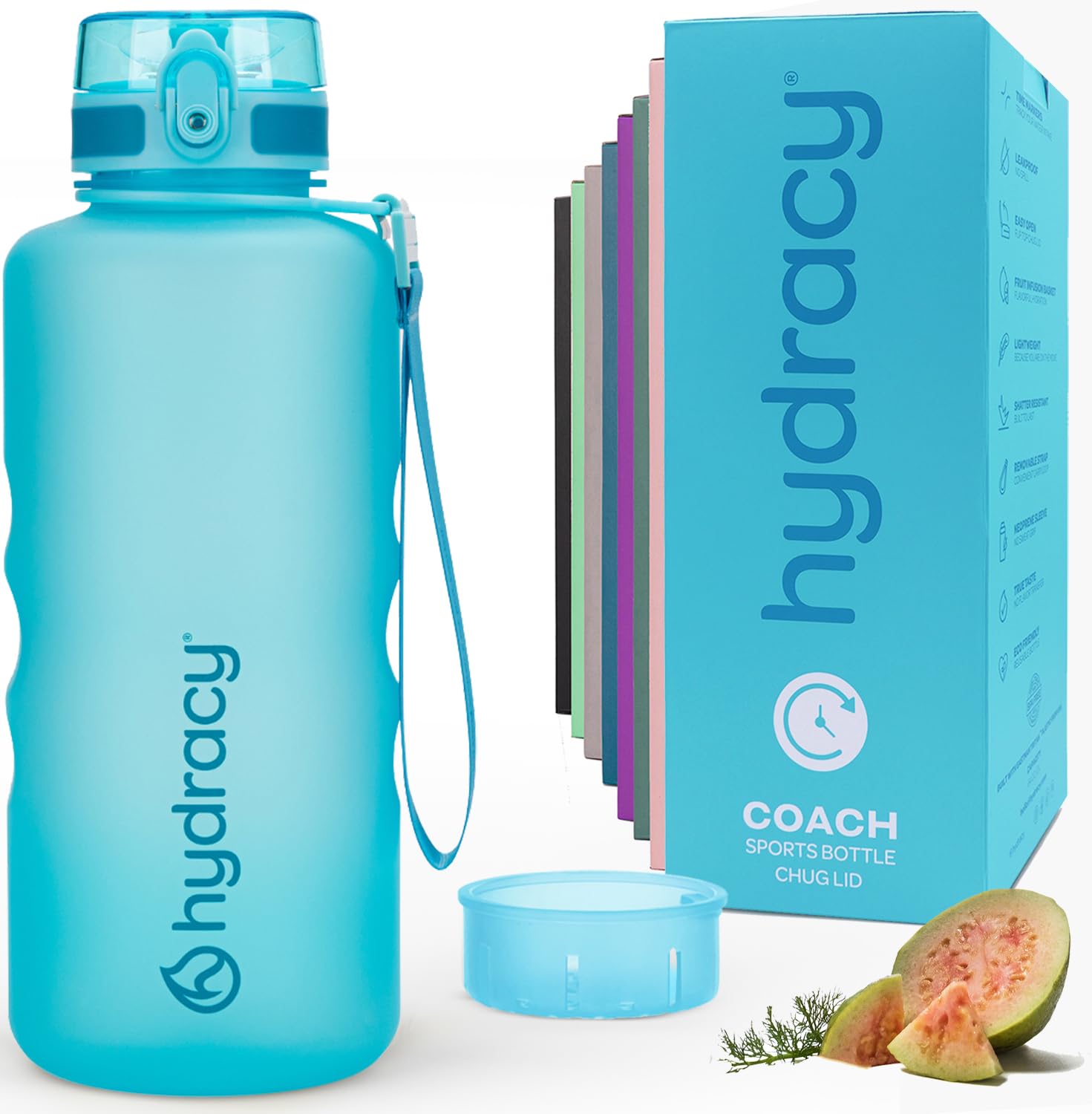
- A timeline offers reminders for taking sips throughout the day.
- The bottle has a flip-top lid and a detachable travel strap.
- The bottle is made with BPA-free Tritan plastic.
Best Gift For: A caregiver who likes keeping a water bottle nearby at home, work, or during an outing.
AROEVE Air Purifier with Sleep Mode
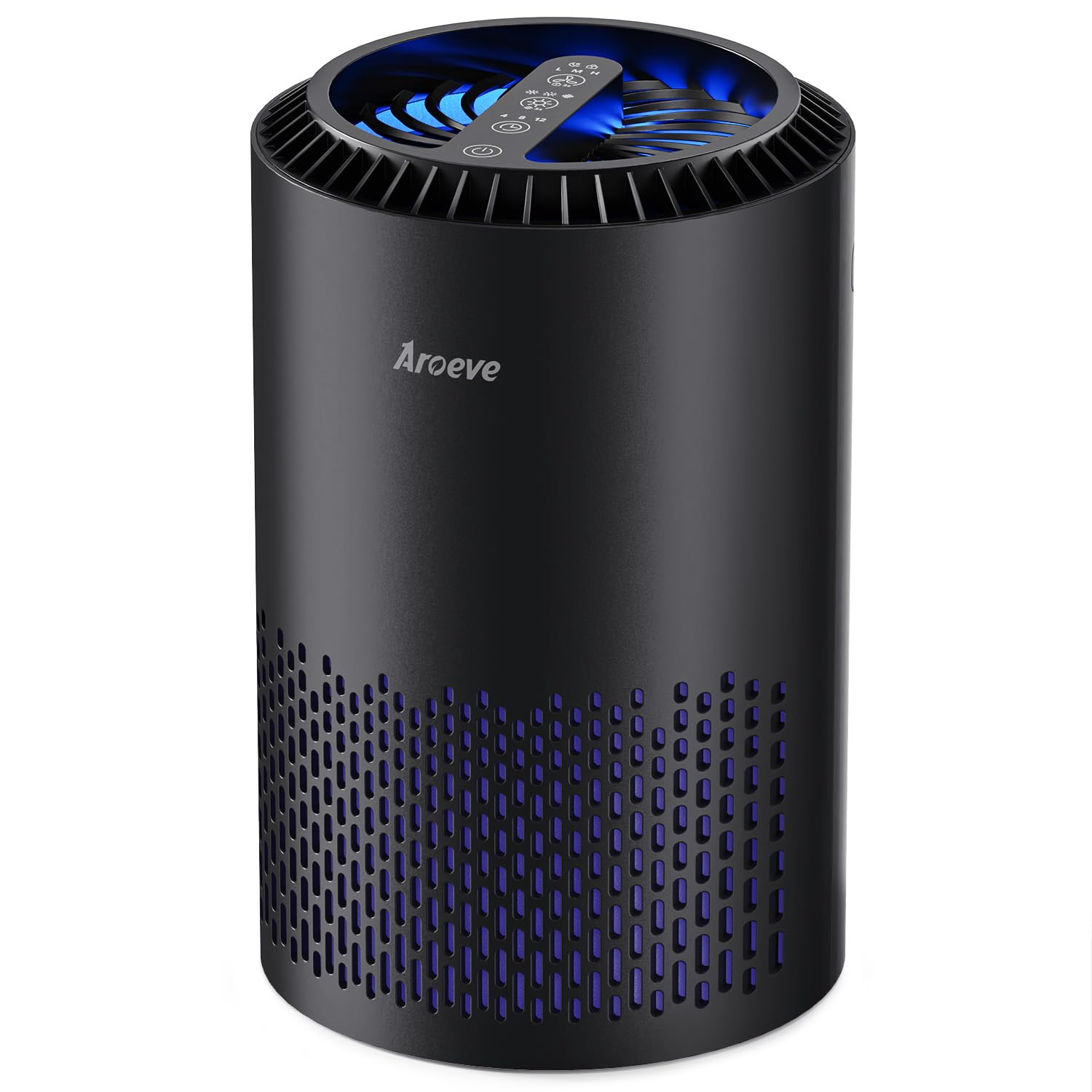
- Its filter can filter particles including smoke, pollen, dander, and hair.
- Sleep mode reduces the fan speed to its lowest setting.
- An aroma pad can hold a few drops of essential oil.
Best Gift For: A caregiver who wants an air purifier suited to a bedroom or office setting.
GENIANI Portable Cool Mist Humidifier
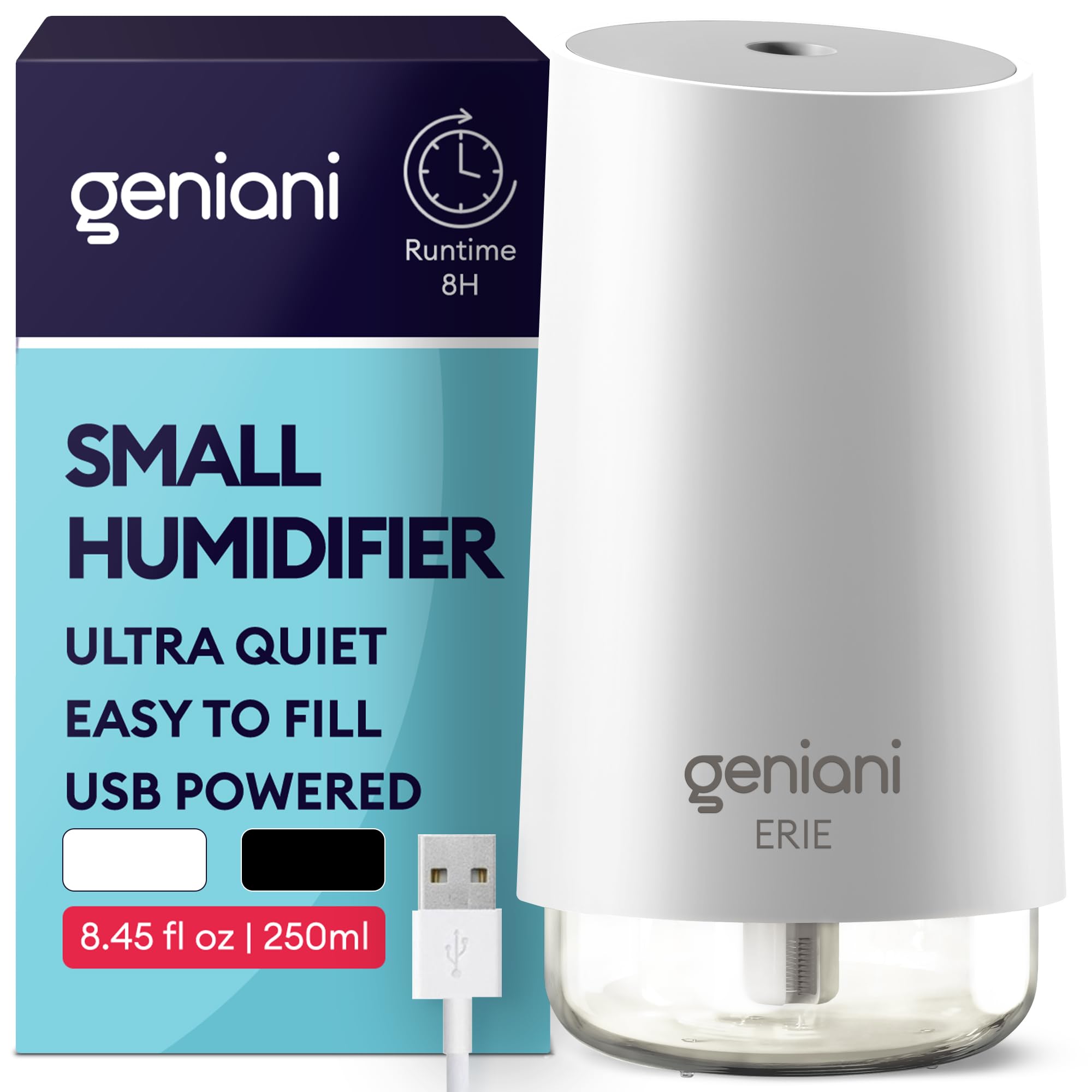
- The portable tank holds 250 ml of water.
- It shuts off automatically when the tank runs low.
- USB power works with laptops or power banks.
Best Gift For: A caregiver who would use a compact humidifier near a workspace, bed, or nursery.
Mueller Living 1.8L Electric Kettle
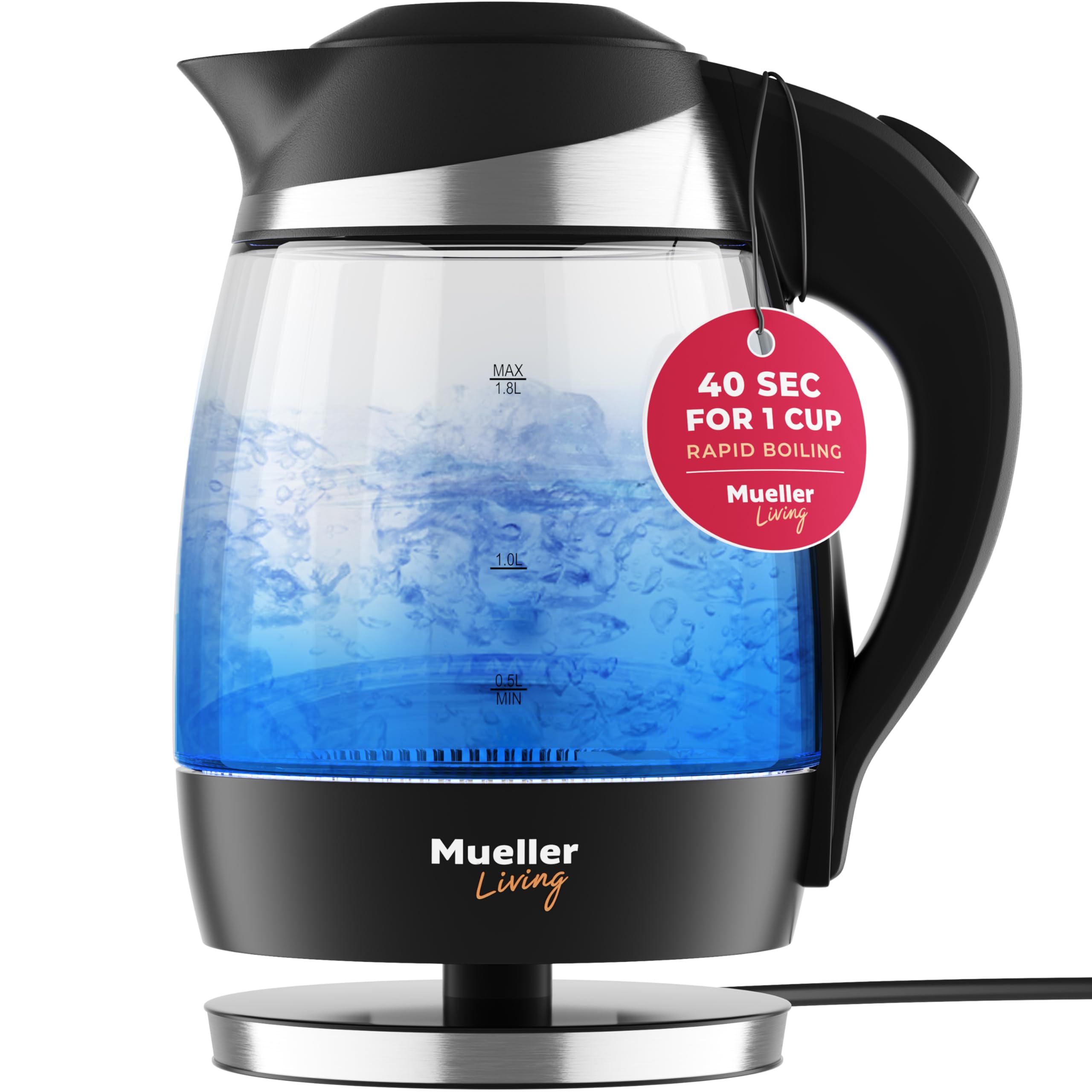
- The borosilicate glass kettle heats water for drinks and simple meals.
- It turns off automatically when the water boils.
- A removable, washable filter supports routine cleaning.
Best Gift For: A caregiver who enjoys making tea, coffee, oatmeal, or another hot drink at home.
Bare Home Cotton Weighted Blanket, 40" x 60", 7 lb
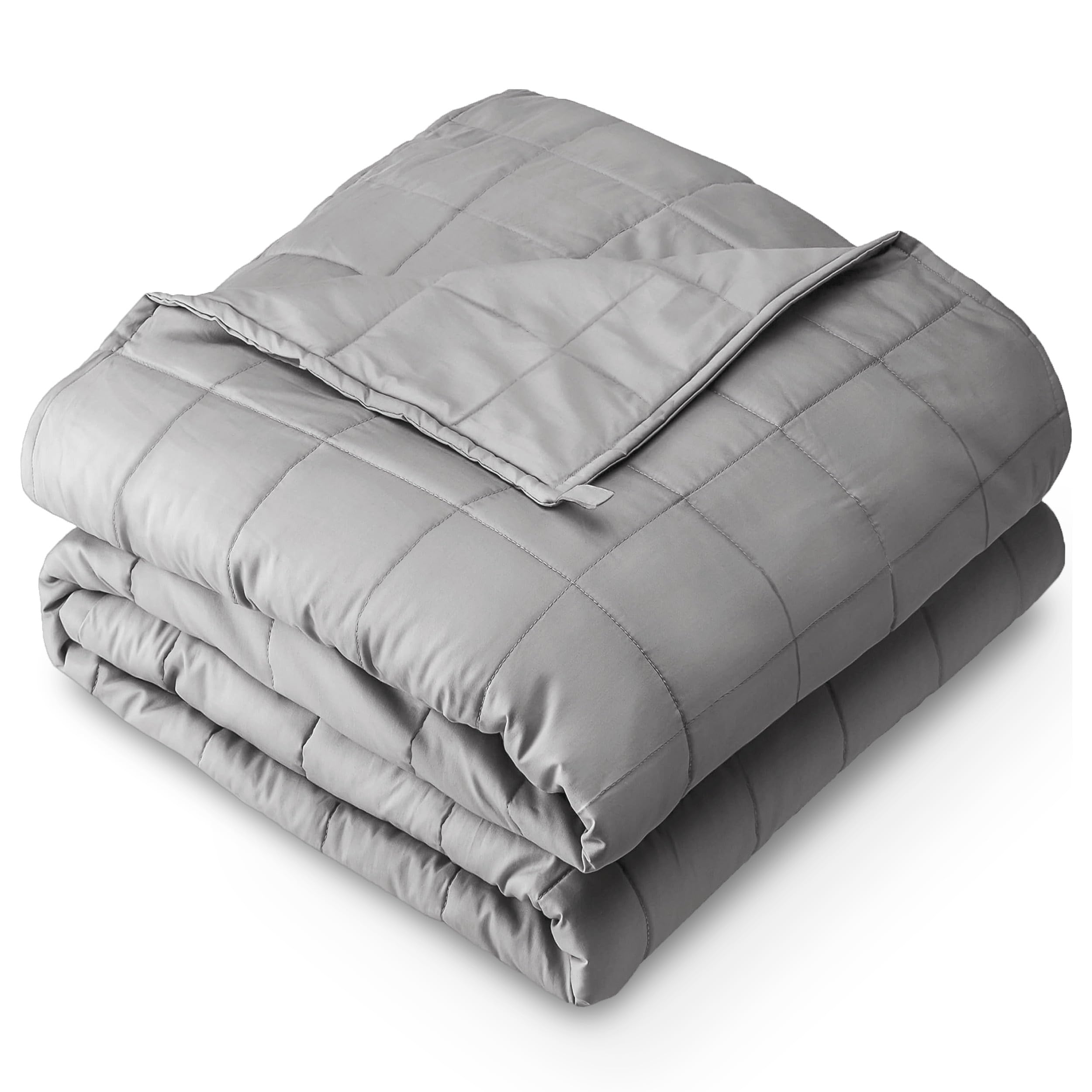
- The blanket is made from cotton and contains glass beads.
- Reinforced stitching helps prevent the fill from shifting.
- The care instructions call for cold gentle machine washing and air drying.
Best Gift For: A caregiver who would appreciate a smaller weighted blanket for rest or winding down.
Better Boat Moisture Absorber with Charcoal, 4-Pack

- Activated charcoal is mixed into the crystals to absorb musty damp smells.
- The snap-on lid and mesh screen keep crystals inside if the bucket tips.
- A semi-transparent bucket makes it possible to see when replacement time approaches.
Best Gift For: A caregiver who wants a simple moisture and odor absorber for an enclosed space such as a closet or bathroom.
Choosing gifts for caregivers under 50
When choosing gifts for caregivers under 50, start with a real moment in their routine: a pause after a long day, a busy desk, a shared bedroom, or a quick cup of tea between responsibilities. A useful gift should fit naturally into that moment rather than create another task to manage.
Think about the recipient’s space and habits before choosing. A planner, pen set, or desk comfort item may suit someone who organizes appointments at home, while a sleep or relaxation accessory may fit someone who values quiet downtime.
If you are unsure, favor an item with a clear everyday use.
Consider whether the gift will be used alone or shared. A kettle or air care item can become part of a household routine, while a personal comfort item may feel more individual.
Keep the recipient’s preferences at the center: materials, color, setup, and the amount of care an item needs can all shape whether it feels welcome.
Balance usefulness and budget
For gifts for caregivers under 50, think in terms of usefulness over time rather than how elaborate a present looks. Small writing and planning items can be easy to incorporate into a routine, while larger comfort or home items may feel more substantial when they match an existing need.
A thoughtful budget can also account for ongoing needs. Some home devices may need replacement supplies, and comfort products can take up room or require cleaning.
Before buying, check actual prices and current product details, including dimensions and care instructions, so you know what fits both the recipient’s space and your spending plan.
If several ideas appeal, ask a family member or colleague what the caregiver already uses. That simple check can help avoid duplicates and surface a small preference, such as a favorite color or a place where a desk accessory would be used.
A practical present often feels more personal when it reflects what the recipient actually does each day.
Personalize the gift and its presentation
Personalization does not need to add much cost. Pair a planning item with a handwritten note naming a routine you appreciate, or include a favorite tea alongside a kitchen gift.
For gifts for caregivers under 50, a specific message of gratitude can make an everyday object feel chosen with care.
Presentation can be simple and useful. Place a small item in a reusable tote, add a card that explains why you thought of it, or package a home comfort gift with a note suggesting a quiet moment for themselves.
Avoid framing rest as an obligation; let the caregiver decide when and how to use it.
If the gift will be used in a shared space, consider the household too. Check that the recipient has room for it and that its appearance or care needs make sense for that home.
A short note offering help with setup or errands can be a thoughtful companion when it is something you can genuinely provide.
Shop thoughtfully at the last minute
A last-minute gift can still feel considered if you narrow the choice by routine and practicality. Choose something with a clear purpose, then verify the current price, dimensions, compatibility, care requirements, and delivery estimate before ordering.
These checks are especially useful for powered devices and products that need a specific amount of space.
If timing is uncertain, consider a small item you can present in person with a note, or give a card explaining the practical gift you have selected. Be clear about what you are offering and allow the caregiver to choose when it suits their schedule.
A considerate gesture should reduce pressure, not add a deadline.
When you cannot confirm the fit of a more specialized item, choose a flexible option or ask someone close to the recipient for a quick check. Include a gift receipt when available and keep packaging easy to open.
Thoughtful timing means respecting a busy routine as much as finding a present that arrives promptly.
Make the gesture easy to receive
Caregivers often receive appreciation through words as well as objects. Keep your message warm and specific: mention a quality you value or a small way their care has mattered.
A short, sincere note can give context to a practical gift without turning it into a grand gesture.
Think about how the handoff will feel. If the recipient is working, caregiving, or managing a full household, choose a low-pressure moment and avoid expecting an immediate reaction or use.
A present that can be set aside and opened later respects their time and energy.
The strongest gift is one that suits the person and leaves room for their preferences. Make the choice with care, check the practical details, and let your appreciation stand on its own.
A useful item and a thoughtful note can make an ordinary day feel a little lighter.