Caregiving can make even small breaks feel precious. These gift ideas bring together practical comforts for home, work and daily routines, with options for different interests and needs.
Consider the recipient’s space, habits and preferences before choosing. A useful gift should fit their life as it is, while making a little room for ease or enjoyment.
14 Thoughtful Gift Ideas for Caregivers
Zyllion ZMA-13 Back and Neck Massager with Heat
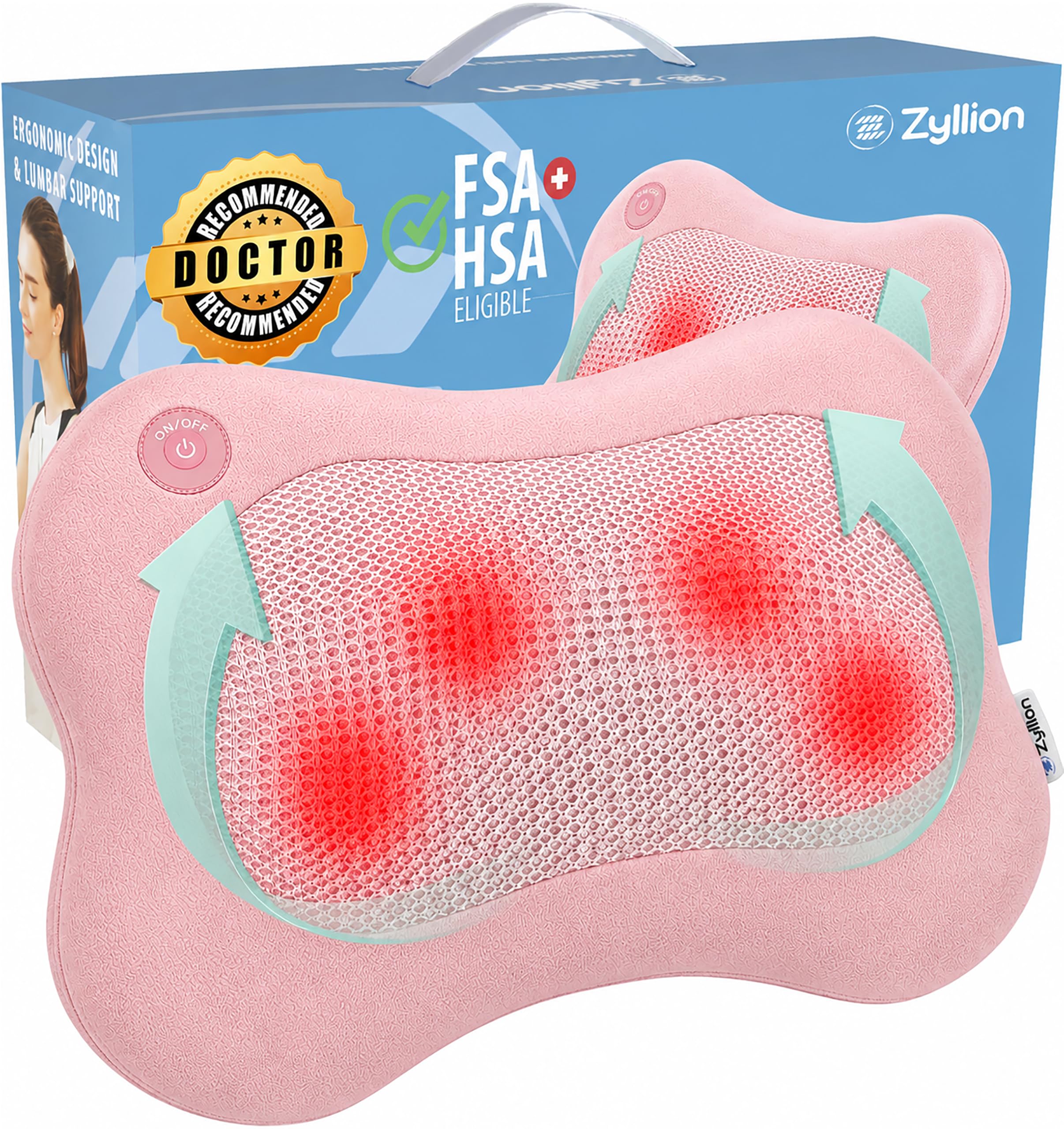
- Two soft silicone nodes on each side provide a kneading massage.
- It can be secured to an office chair or car headrest.
- Heat includes overheat protection and auto shutoff.
Best Gift For: A caregiver who would appreciate a seated massage break at home or on a road trip.

Best Choice Products Shiatsu Foot Massager
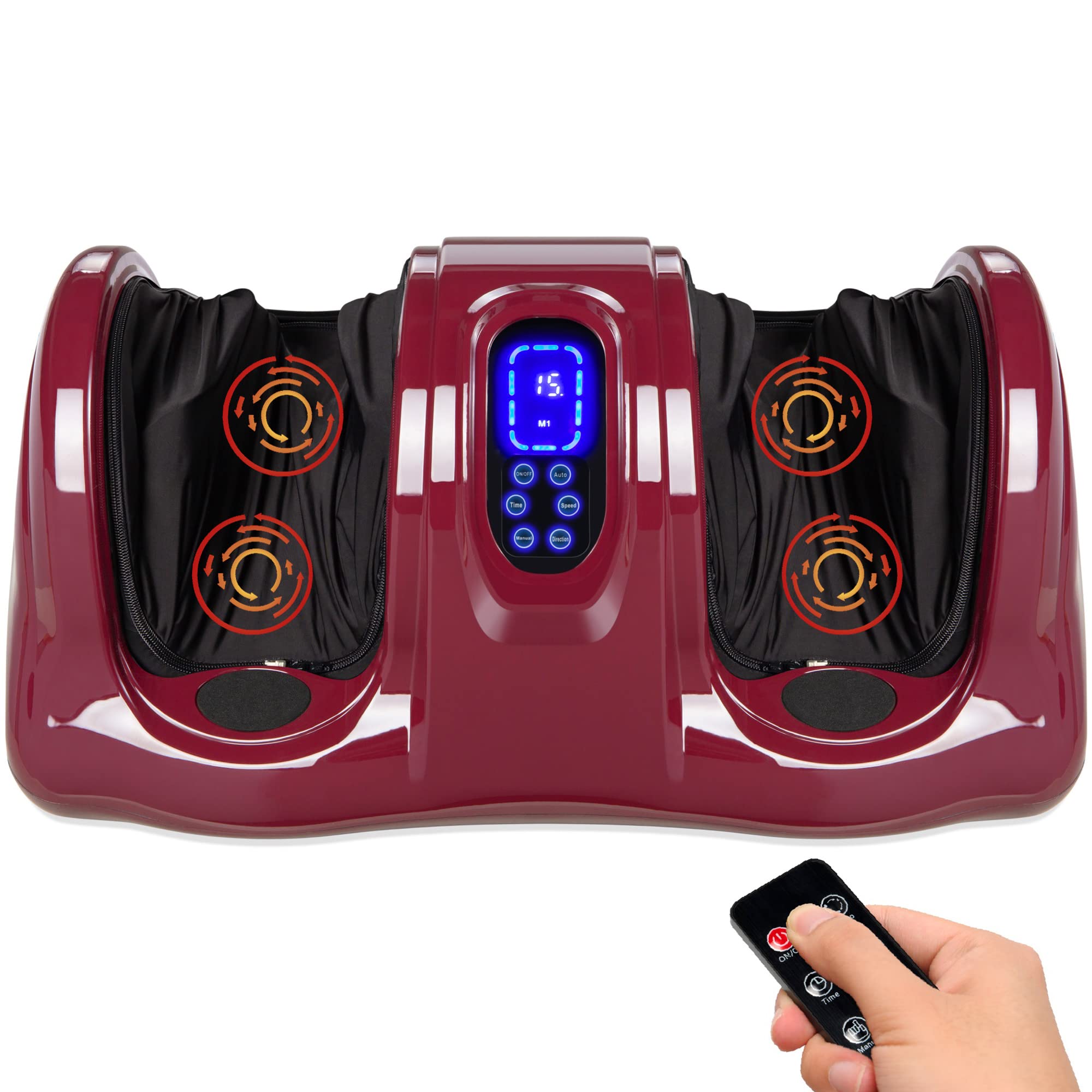
- The remote controls power, speed, massage directions and mode settings.
- Automatic mode offers options targeting the toe, arch and sole.
- The compact structure is designed for storage and portability.
Best Gift For: A caregiver who likes to unwind with a foot massage while sitting at home.
PuroAir 100i Smart HEPA Air Purifier
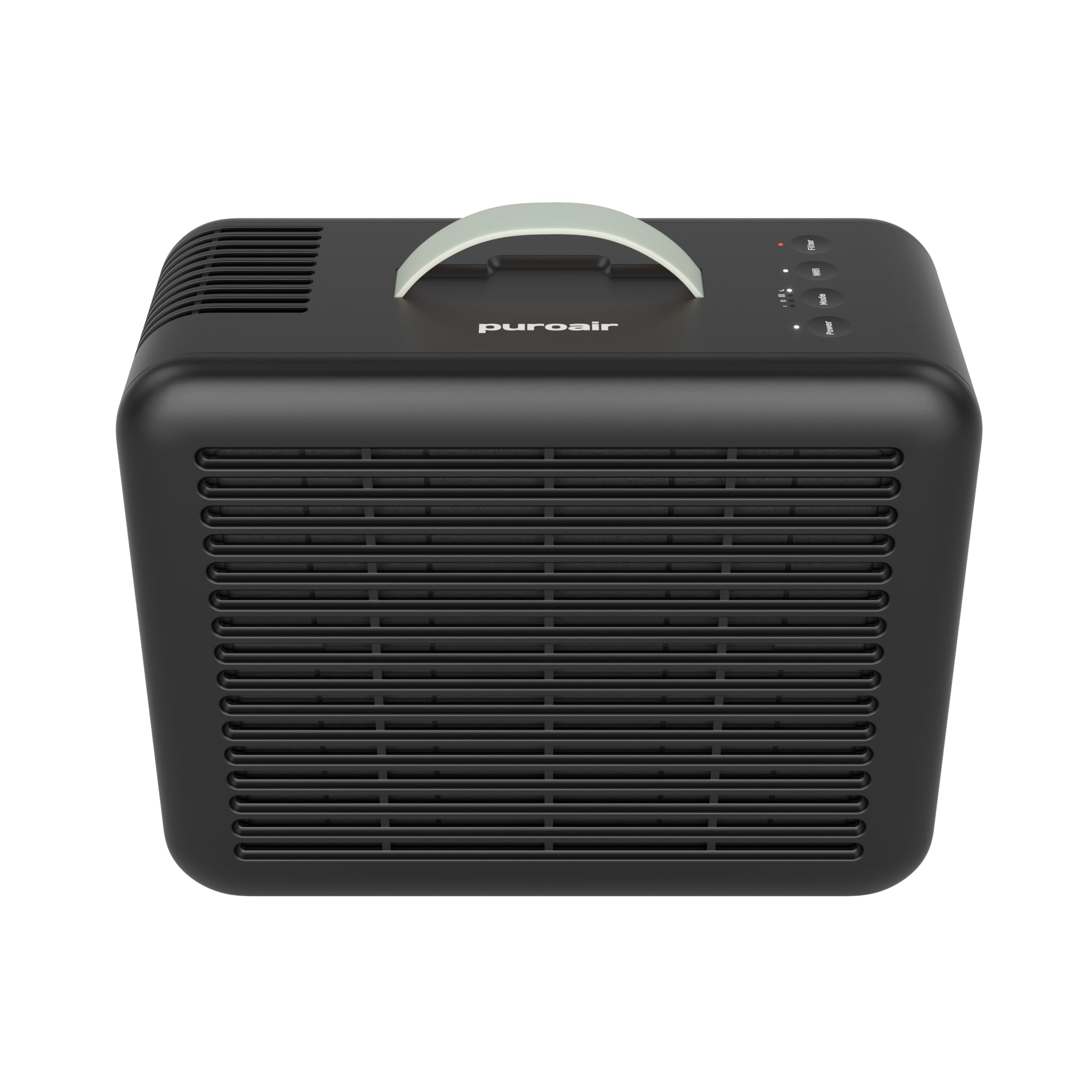
- Its filtration system includes a pre-filter, HEPA filter and activated carbon.
- The app offers control of the fan speed and settings.
- It is designed for rooms up to 550 square feet.
Best Gift For: A caregiver who wants app control for an air purifier in a bedroom or home office.
MyHalos 3D Blackout Sleep Mask, 2-Pack
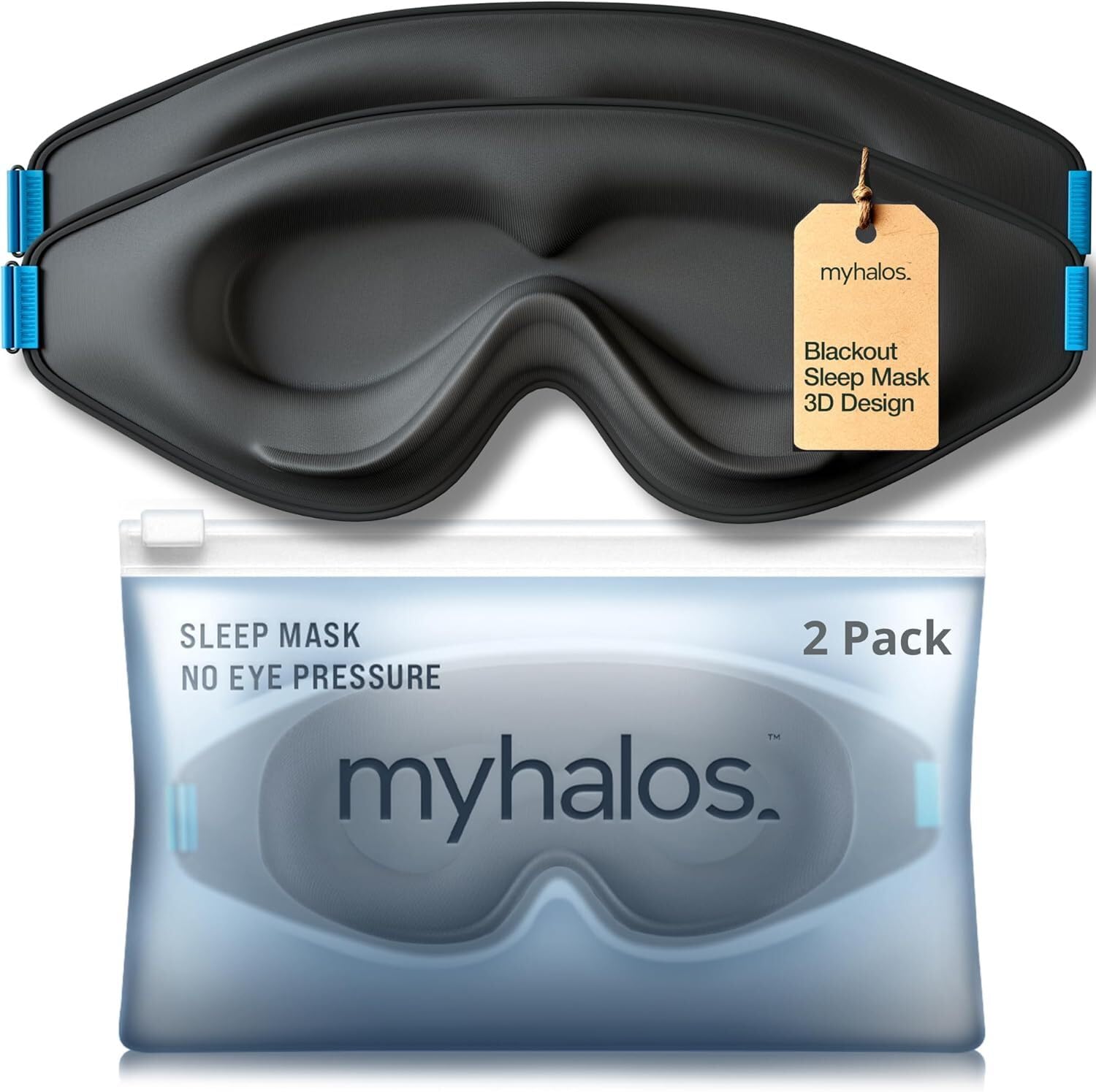
- The contoured design blocks light.
- The eye cups are designed to avoid contact with eyelids or lashes.
- It comes with a protective travel pouch.
Best Gift For: A caregiver who travels or sleeps better in a darkened environment.
Clever Fox Planner PRO Light
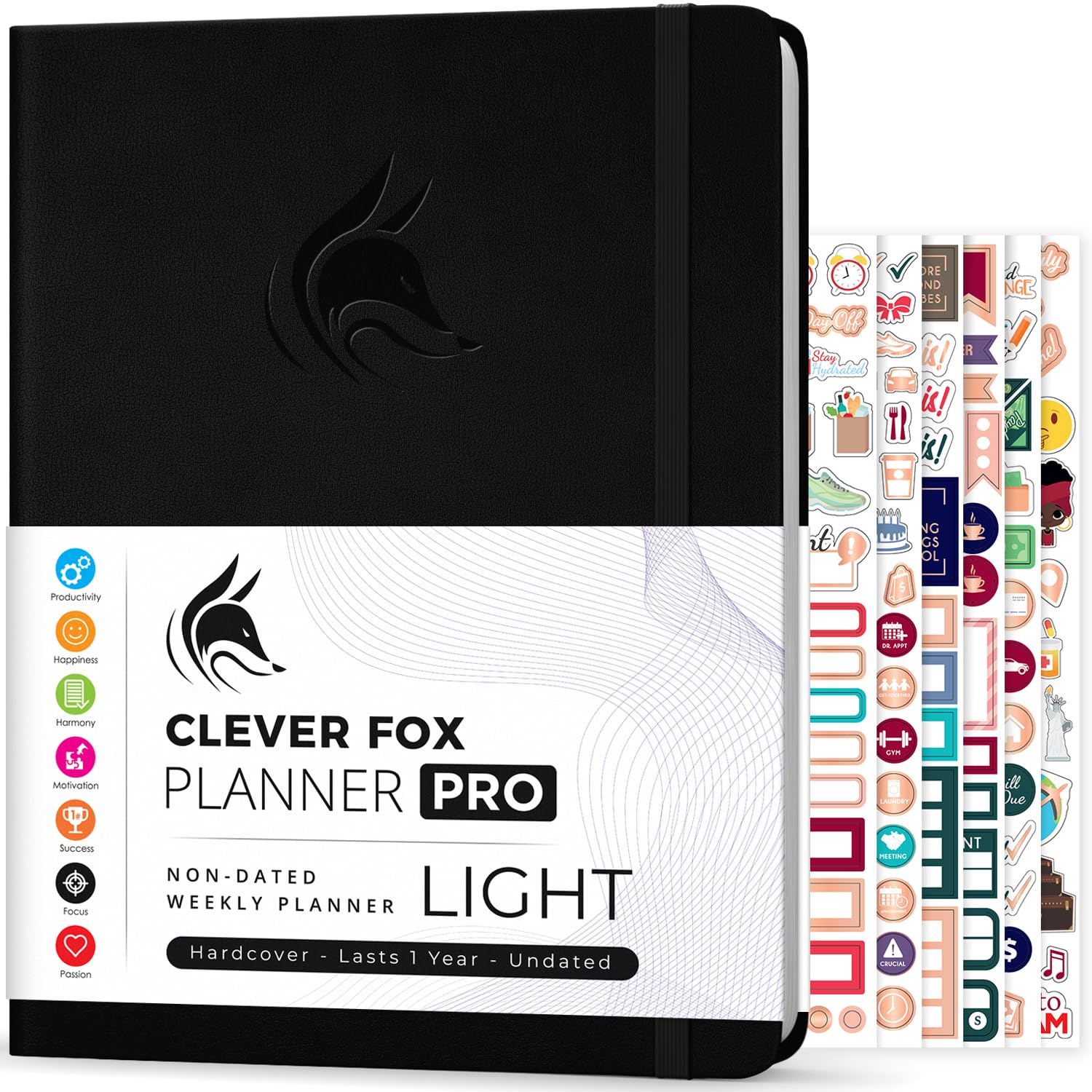
- It has monthly, weekly and daily planning layouts.
- The planner is undated, so it can be started at any time.
- It includes an illustrated user guide and planning stickers.
Best Gift For: A caregiver who wants a flexible planner for goals and weekly routines.
SONGMICS Adjustable Bed Laptop Desk
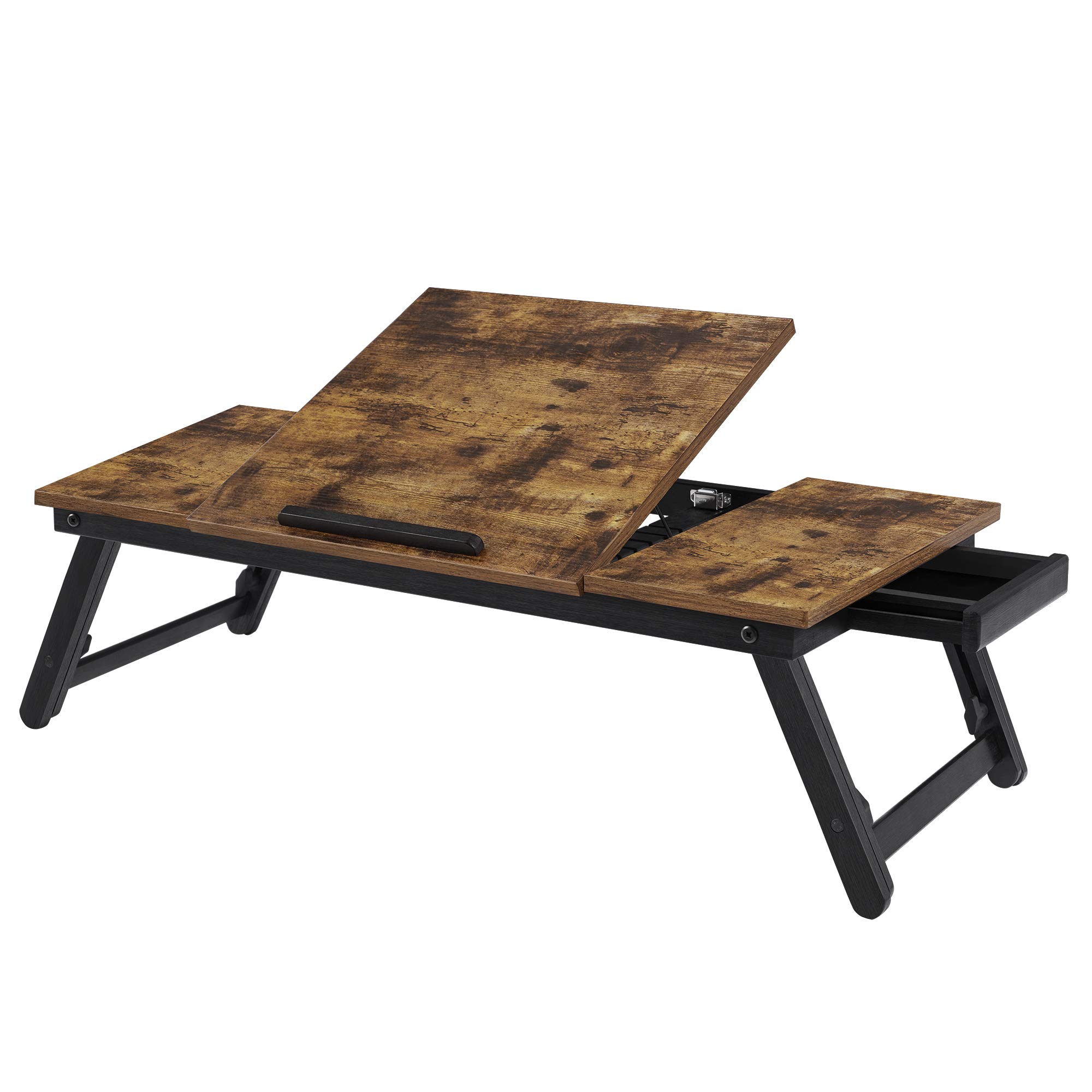
- The desktop angle can be set to one of five positions.
- Its symmetrical desktop leaves mouse space on either side.
- Flattening the top creates a wider desktop for other activities.
Best Gift For: A caregiver who likes to work, read or eat from a sofa or bed.
Everlasting Comfort Memory Foam Foot Rest
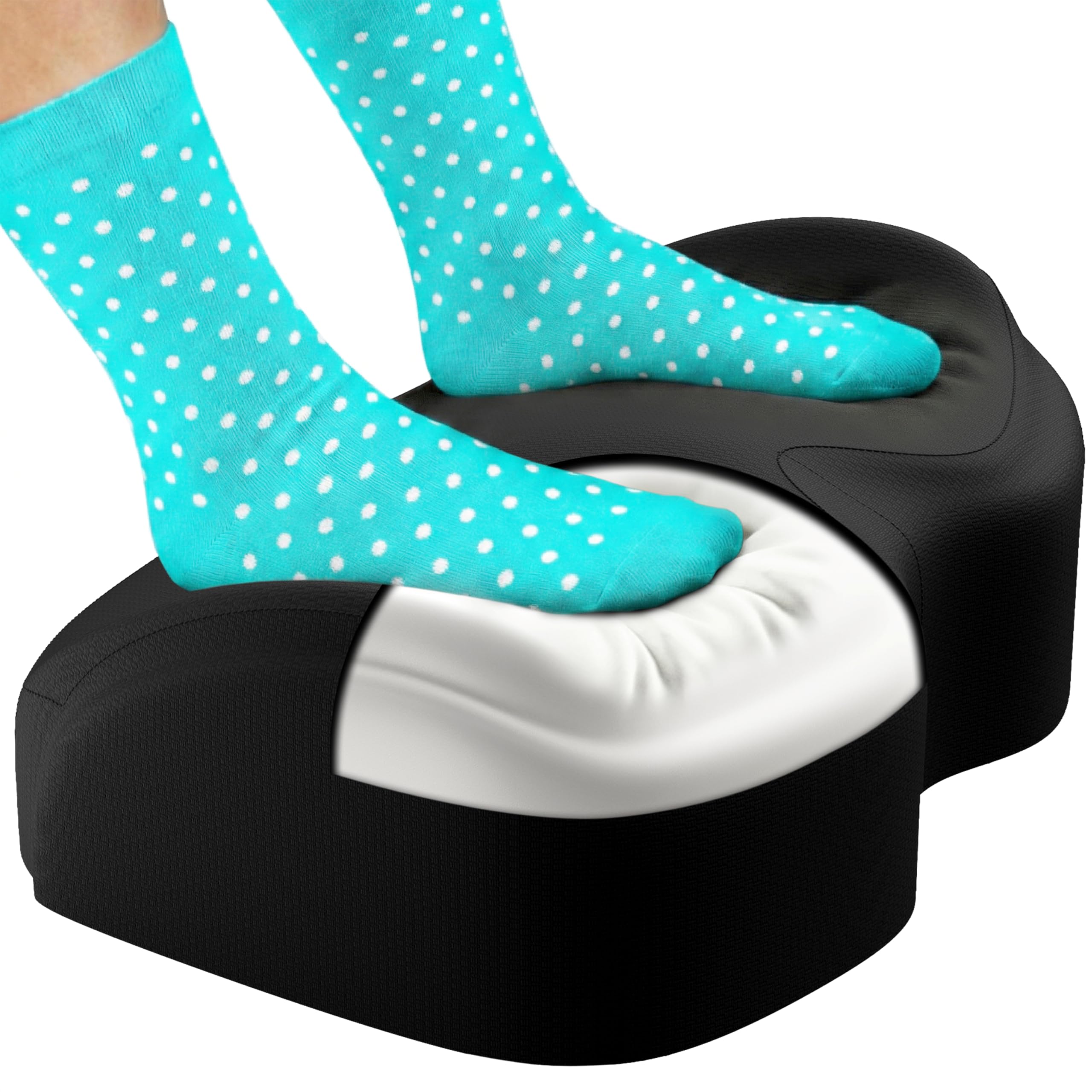
- The memory foam foot rest is designed to elevate feet.
- The cover is breathable and machine washable.
- A non-slip bottom helps it stay put on common floor surfaces.
Best Gift For: A caregiver who spends time working or gaming at a desk.
Hydracy 2L Motivational Water Bottle
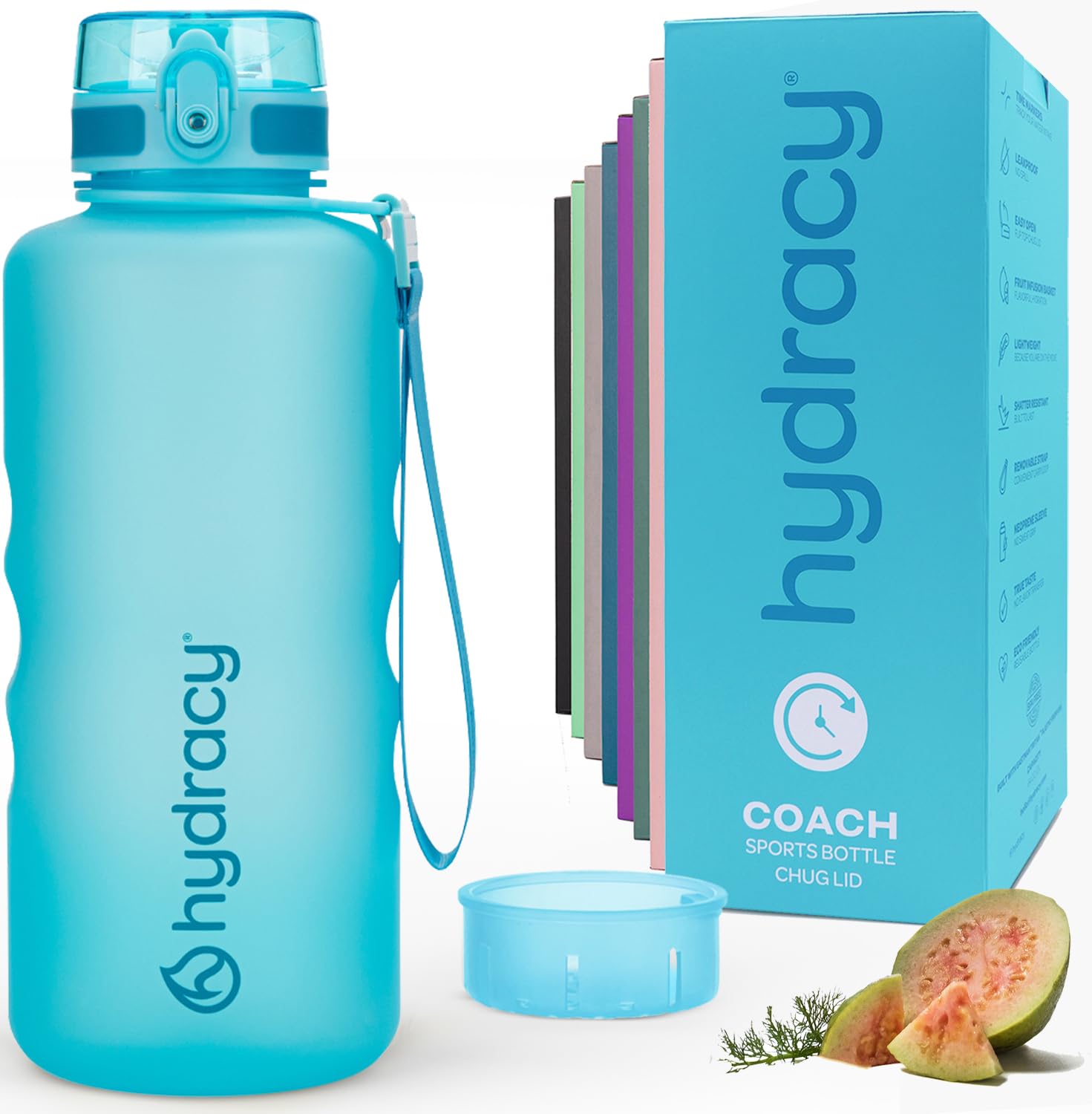
- A timeline on the bottle prompts regular sips.
- It has a detachable travel carry strap and flip-top lid.
- The bottle is made of BPA-free Tritan plastic.
Best Gift For: A caregiver who enjoys carrying water through workdays or outdoor activities.
Chefman Electric Kettle with Tea Infuser
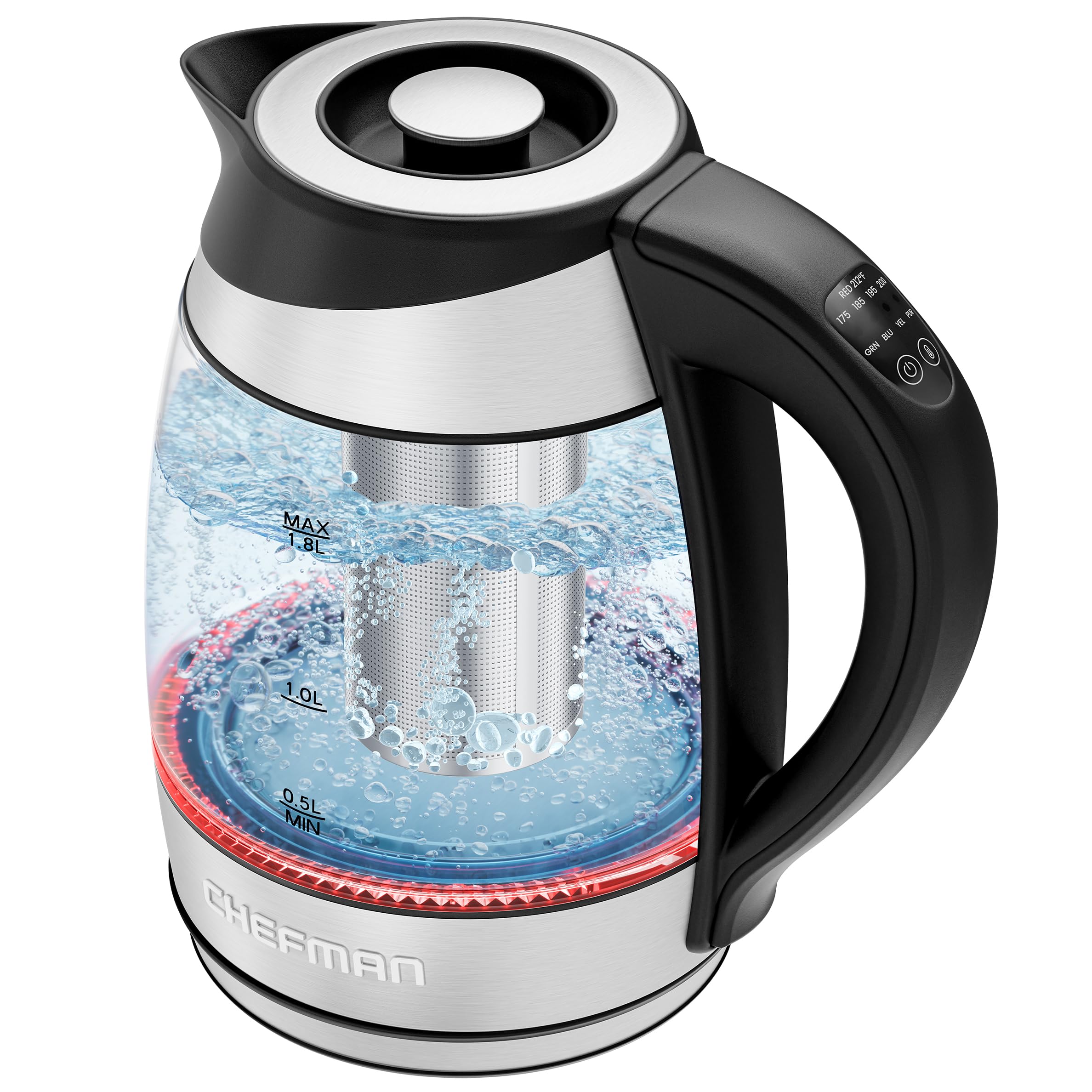
- The kettle has temperature control with seven presets.
- The removable infuser lets you steep a pot of loose-leaf tea.
- The lift-out lid separates fully for filling and cleaning.
Best Gift For: A caregiver who enjoys making loose-leaf tea or hot drinks at home.
SHOKZ OpenMove Open-Ear Bluetooth Headphones
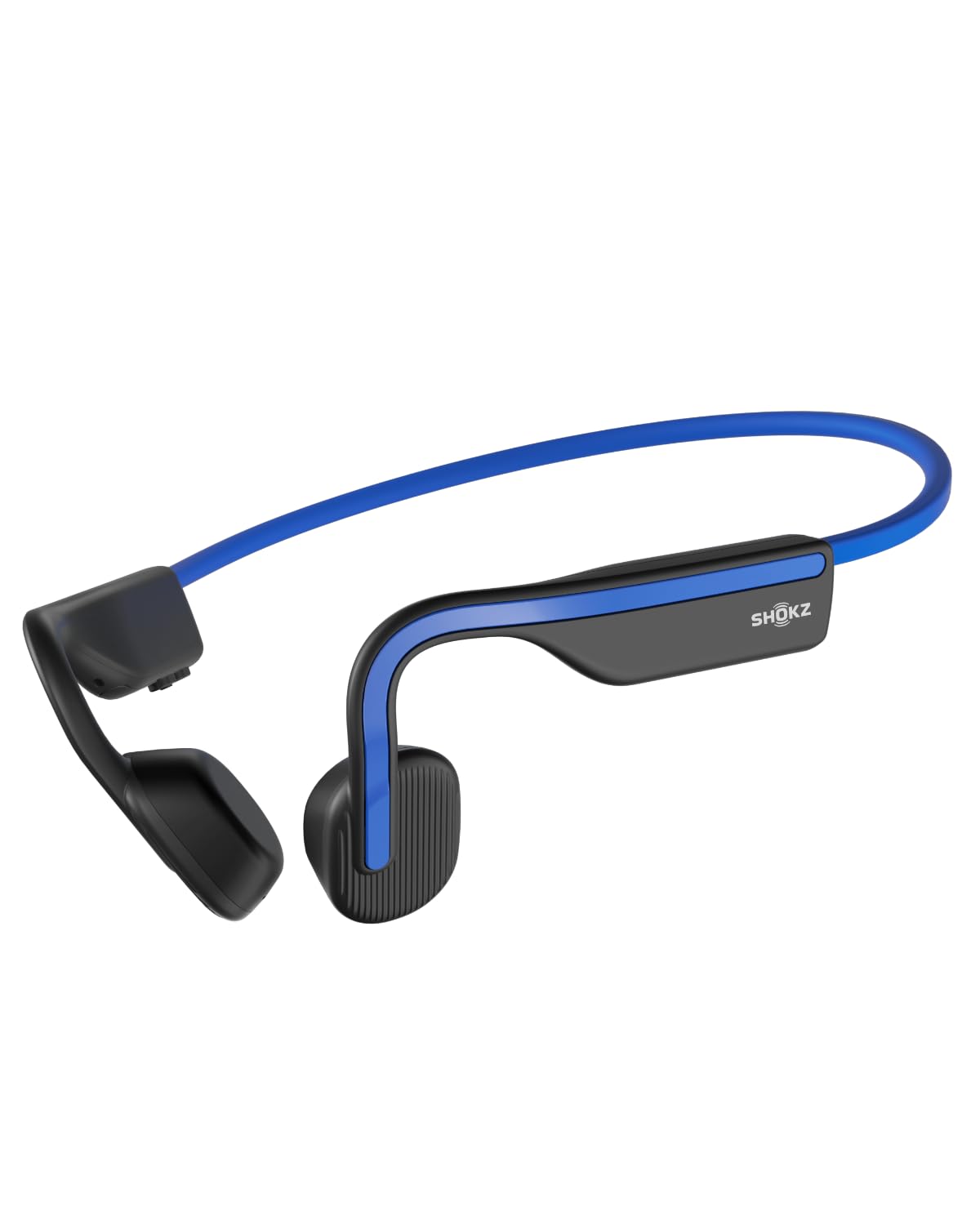
- The open-ear design allows listening without earbuds.
- The wraparound frame is designed to stay in place during low-impact activities.
- They pair with Bluetooth-enabled devices across several platforms.
Best Gift For: A caregiver who listens to podcasts or music on walks and wants awareness of surroundings.
GENIANI Portable Cool Mist Humidifier
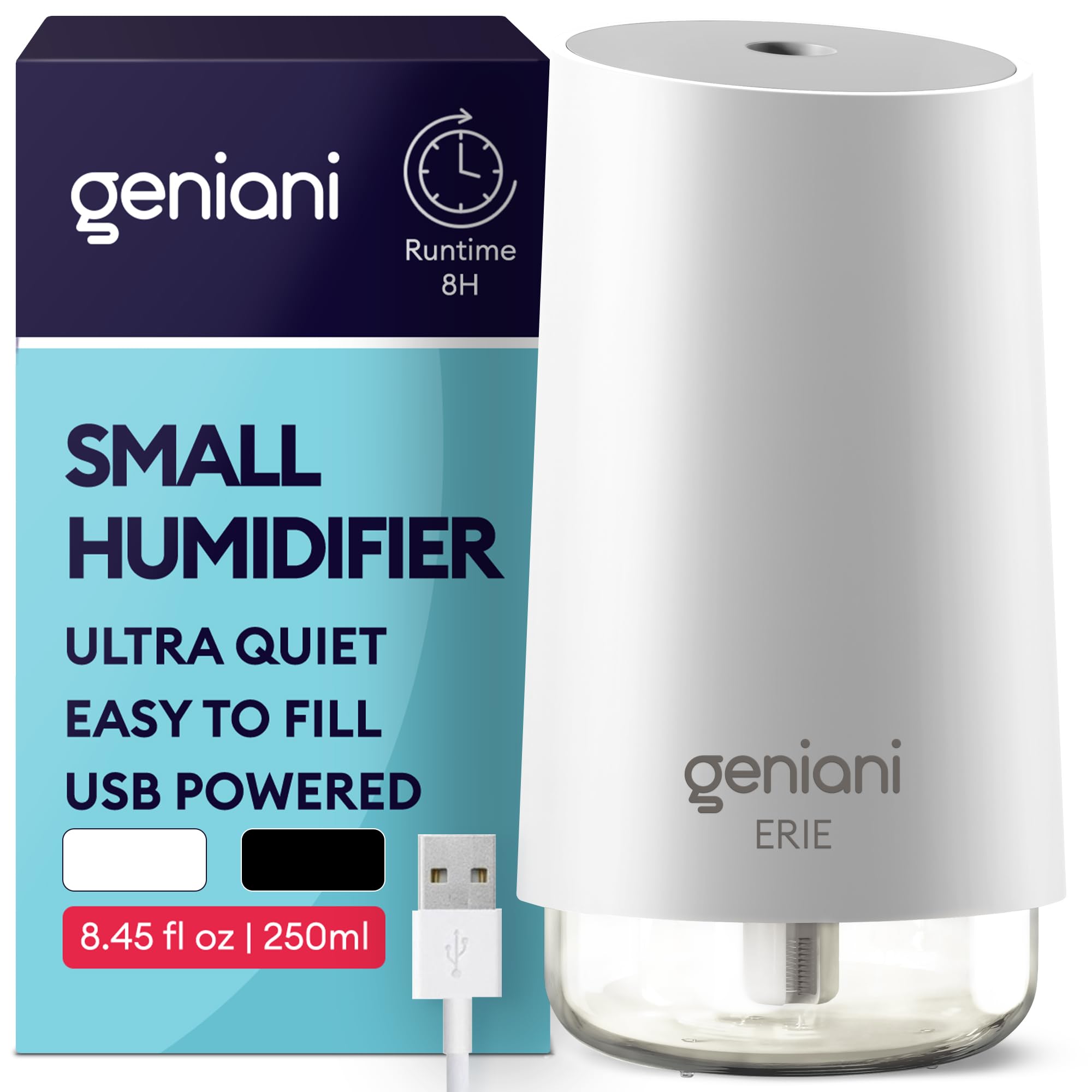
- The water tank has a wide opening for refilling and cleaning.
- The humidifier powers down automatically when the tank runs low.
- It is USB powered and works with laptops or power banks.
Best Gift For: A caregiver who would welcome a compact humidifier near a bed or workspace.
Cross Edge Sonic Titanium Gel Ink Pen
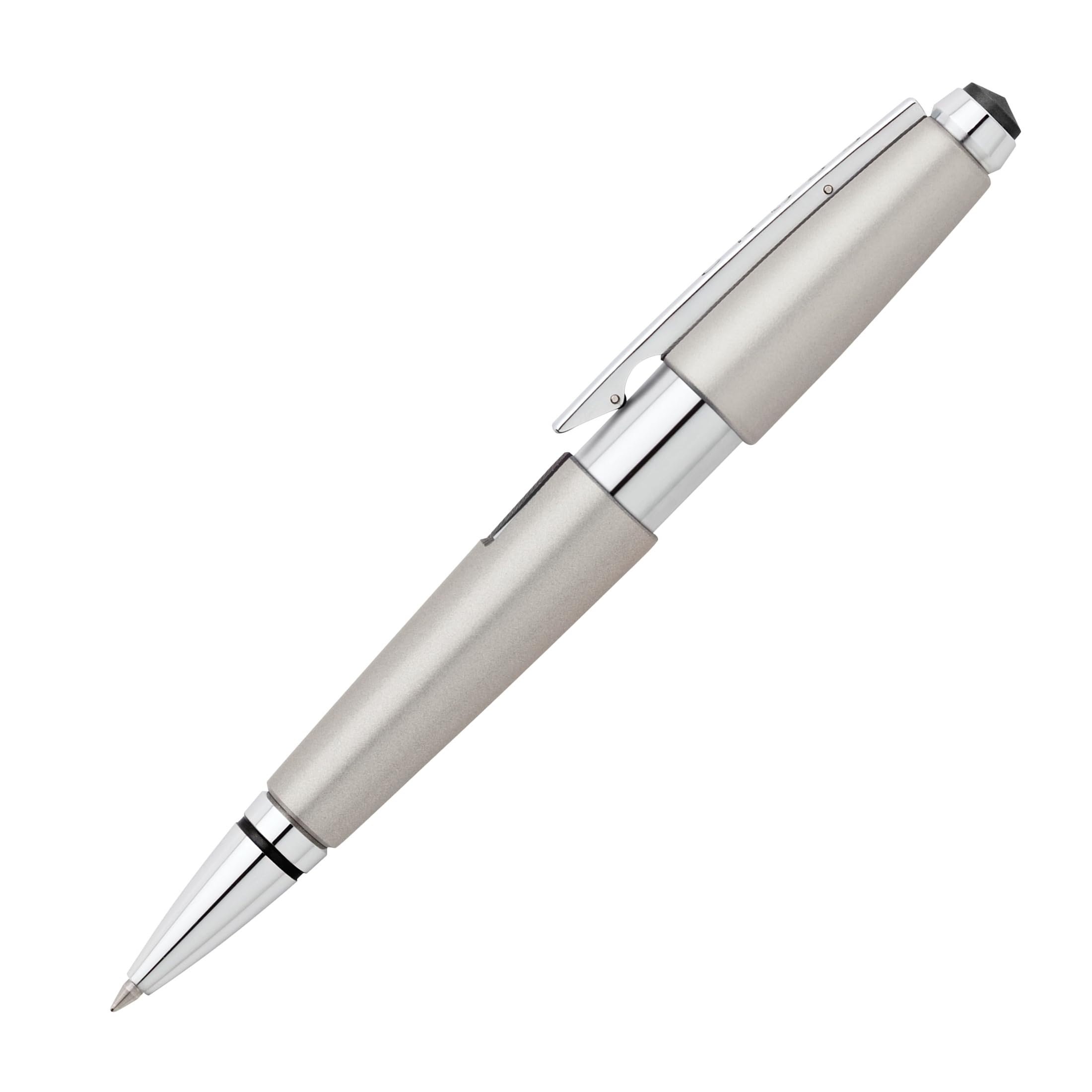
- The pen has a metal and resin body.
- Its slide-open design closes with a snap.
- Its ergonomic shape is designed for smooth writing.
Best Gift For: A caregiver who enjoys journaling or wants a polished desk pen.
Bare Home Cotton Weighted Blanket, 25 lb
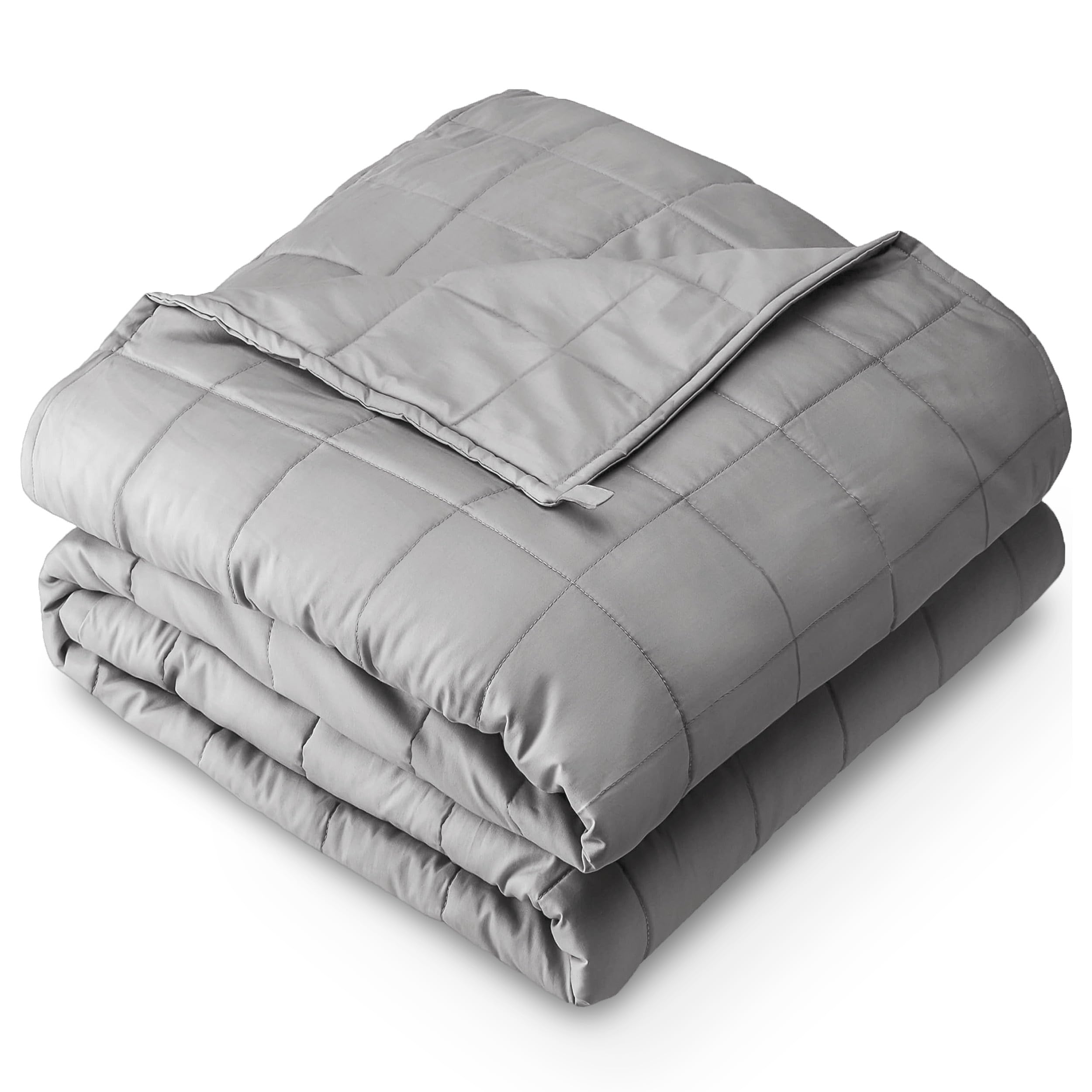
- The blanket is made with cotton fabric and glass beads.
- Reinforced stitching helps prevent the beads from shifting or leaking.
- Corner loops can secure a duvet cover with ties.
Best Gift For: A caregiver who is interested in a weighted blanket and can confirm the size and weight suit them.
Ivation IVADM10 Compact Thermo-Electric Dehumidifier
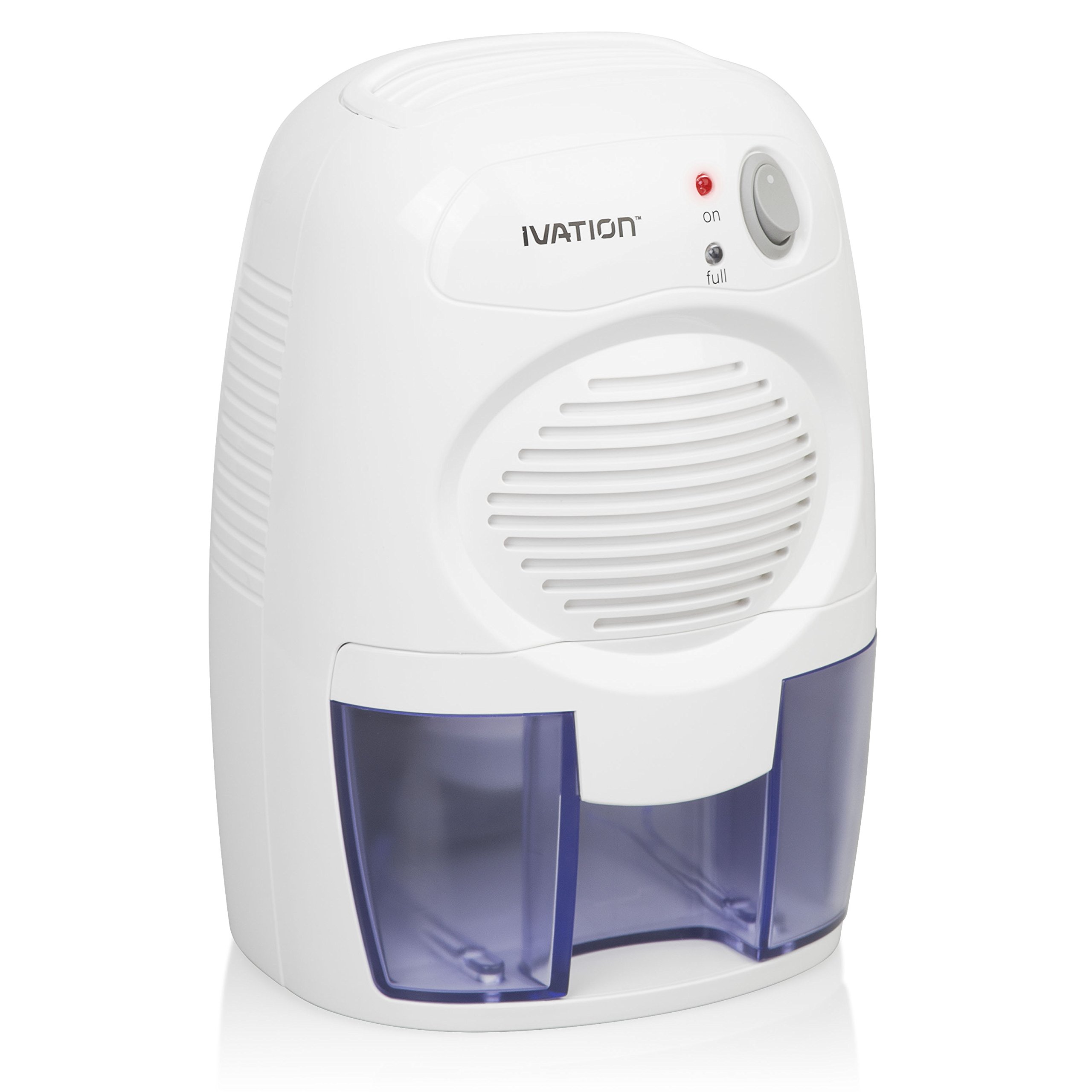
- The water tank is removable and holds 17 ounces.
- An indicator light signals when the tank is full.
- The unit shuts off automatically when the reservoir is full.
Best Gift For: A caregiver who wants a small dehumidifier for a cupboard, basement or recreational vehicle.
1. Match gifts for caregivers under 100 to the day they have
Start with the rhythm of the recipient’s week. Someone who spends long stretches at a desk may appreciate a small change to their work setup, while a caregiver who travels between appointments might prefer something easy to carry.
Gifts for caregivers under 100 work best when they respond to a familiar routine rather than adding another task.
Think about where the person actually takes breaks. A quiet bedroom, a shared living room and a compact office each call for different kinds of comfort.
If space is limited, choose a gift that can be stored or moved easily; if it will stay in one place, make sure that spot is available.
A practical gift can still feel personal when it connects to a known preference. Consider whether they reach for tea, enjoy walking with audio, keep a planner or prefer restful evenings.
If you are unsure about an item that depends on fit, weight or setup, ask someone close to them before choosing.
2. Balance budget and usefulness
A modest budget can go toward a small daily convenience or a more substantial comfort item. Think about how often the recipient will use the gift and whether it asks them to buy anything else.
A simple accessory that fits an existing routine may be more welcome than an impressive item that needs extra space or setup.
For larger home comforts, check dimensions and practical placement before buying. Confirm that the recipient has a suitable surface, outlet or storage area, and consider whether they would rather choose a personal comfort item themselves.
Compare current prices and product details before checkout, since prices and configurations can change.
For a useful bundle, pair one main gift with a small personal touch: a note, a favorite tea, or a written offer to help with a specific errand. Keep the addition simple and considerate.
A gift should not imply that the caregiver needs to improve their productivity or take on another responsibility.
3. Make gifts for caregivers under 100 feel personal
Personalization starts with what you know about the person. A planner suits someone who likes to write things down, while a tea accessory is a warmer choice for someone who already enjoys a quiet cup.
For gifts for caregivers under 100, a short handwritten note can explain why that particular interest made you think of them.
Presentation can be calm and easy to open. Use a gift bag or reusable box if wrapping would create extra clutter, and keep instructions or care information together with the item.
If the gift needs assembly or setup, offer to help at a time that works for the recipient.
You can also give the gift alongside a specific offer of support, such as bringing dinner on a chosen evening or handling a short errand. Make the offer clear and easy to accept or decline.
The goal is to make the recipient feel seen, not to turn the present into an obligation.
4. Choose comfort thoughtfully
Comfort is personal, so use what you know about the recipient’s preferences. Some people enjoy massage or weighted items; others prefer a restful mask, a familiar drink or a quiet listening break.
When an item depends on body fit, weight, skin feel or personal routines, check first or choose something easier to exchange.
For home air and moisture products, think about the actual room and what the recipient expects the item to do. Read current product details, check dimensions and compatibility, and avoid making medical promises.
A gift can support a comfortable environment without suggesting it will solve a health concern.
A gift that supports rest should leave room for the person to decide how and when to use it. Include a kind note and avoid giving advice about how they should sleep, work or manage care.
Thoughtfulness often comes from noticing a preference and making a small, practical gesture around it.
5. Handle timing and last-minute buying
If time is short, choose something straightforward that does not rely on guessing a size, weight or device connection. Check the current delivery estimate before ordering, and consider whether a local pickup or digital note would help if the package may arrive later.
Never assume a particular delivery date until checkout confirms it.
For a last-minute present, a small gift paired with a concrete offer of help can still feel complete. Write a note that names a time or task you can take on, while letting the recipient choose what suits them.
Avoid promising a service you cannot reliably provide.
Before completing an order, double-check the selected version, compatibility, dimensions and any ongoing supplies it may need. If you are uncertain, choose an easily exchanged gift and keep the receipt details available for the recipient.
A little care with those final checks helps a useful gesture land smoothly.